Installing System Reliability Planning
Standby Generators: Your Reliable Solution for Uninterrupted Power Supply
Automatic generators serve as a vital safeguard from electricity outages. The generators work flawlessly, activating within seconds after a power loss. Powered by different energy types, they make certain operations continue when disaster strikes. However, grasping their utility and characteristics is crucial to reaching a sound choice. What aspects should one consider before investing in such a system? The next segments discuss these important factors.
The Mechanics of Backup Power: How They Work

Backup generators are critical units that provide automatic backup power during power losses. Generators are often sited on the exterior of the property, wired into the power grid and powered by diesel, propane, or natural gas. Should the power fail, the system recognizes the lack of power and begins operating immediately. This action utilizes an ATS (Automatic Transfer Switch), which disconnects the home from the grid and connects it to the generator
(Portland Standby Generators)The system starts creating electricity, providing energy to critical systems or the complete structure, depending on its capacity. The majority of backup systems include an integrated surveillance feature which ensures correct operation and servicing. They can operate for extended periods, offering a constant energy supply until utility power is restored. Grasping how backup generators work helps homeowners appreciate their role in boosting electricity safety and minimizing disruptions in the event of unforeseen blackouts
Benefits of Installing a Standby Generator
Trustworthiness is a key feature when putting in a backup system, because it provides constant power during blackouts. This essential feature assures that homes and businesses remain operational, safeguarding important possessions and preserving convenience. Furthermore, these generators improve protection by mitigating grid failures that may result in risky circumstances, such as pipe damage or critical device shutdowns.
Cost-effectiveness is another benefit; while the upfront cost may be high, the savings over time from avoided food spoilage, operational downtime, and urgent maintenance can be significant. In addition, backup power systems boost the home's worth, making them an appealing amenity for prospective purchasers.
The ease of use is also important, as these generators turn on automatically during an outage, doing away with the requirement for human involvement. This smooth performance enables homeowners to keep up their normal schedules without disruption. In summary, having a backup generator provides security, guaranteeing that power is always available when critical.
Essential Characteristics to Seek in a Generator Unit
When selecting a standby generator, several key features should be considered to guarantee peak performance and matching the intended purpose. First, the wattage capacity is crucial; potential users must determine the wattage required to power necessary systems during an outage. Additionally, the type of fuel—whether natural gas, LP, or diesel—influences operation and long-term expenditures.
Another important feature is the automatic transfer mechanism, which facilitates seamless power changeover and boosts reliability. The robustness and construction quality are also important; a sturdy unit can handle severe elements.
In addition, the volume of operation must be checked, as less noisy generators are ideal for home environments. Some generators offer auto-start functions, adding comfort during unexpected outages. Lastly, support and coverage details should be reviewed, offering trustworthy maintenance and maintenance. Through assessing these characteristics, prospective buyers can pick a unit that aligns with their individual power demands effectively.
Factors to Consider Before Purchase
Before committing to a standby generator, potential buyers should diligently assess a few vital considerations to guarantee they make an educated choice. Portland Standby Generators. Initially, they must evaluate their energy requirements by figuring out the necessary capacity to power essential devices during an outage. Following this, the fuel type is vital; available types are natural gas, propane, or diesel, each with unique advantages and access factors
Furthermore, buyers should consider the generator's transfer switch, which allows for smooth energy changeover. Installation details are crucial factors, since certain models might require professional installation or permit acquisition
Warranty and service options should not be overlooked, because they influence how satisfied you are in the long run. Lastly, those considering a purchase must check the generator's noise levels, especially if they live in a housing development. By examining these factors, customers may pick a backup power unit that fulfills their particular requirements and desires
Standby Generator Maintenance Guide

Regular maintenance is essential to ensure optimal functioning and the long life of a backup generator. Start by examining how much oil the generator has, changing the oil and filter according to the manufacturer's recommendations. Regularly check the air filter and replace it as necessary to ensure proper air circulation. You should also test the battery and clean any corrosion on terminals to ensure it starts reliably.
Conduct periodic load tests to verify the generator manages its rated capacity. In addition, check that the exhaust system is free of obstructions and leaks. Ensuring the generator is clean and clear of debris will help prevent overheating and other issues.
As a final step, arrange for expert servicing yearly to address any potential problems consult now and conduct thorough checks. Following these maintenance tips will significantly prolong the life of a standby generator, giving you confidence during electrical failures.
FAQs
How Much Do Standby Generators Typically Cost?
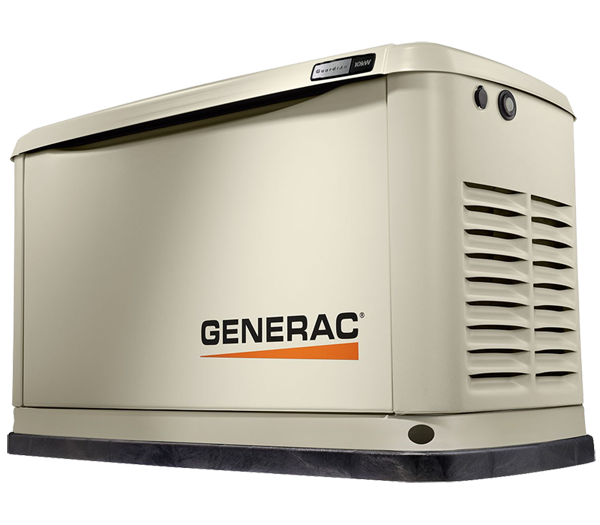
Backup generators usually range in price from $2,000 to $15,000, based on elements like brand, power capacity, and how complex the installation is. Additional expenses may include fuel tanks, permits, and ongoing maintenance, influencing the overall investment required.
Is Self-Installation of a Standby Generator Possible?
Self-installation of a backup generator is feasible, though it demands familiarity of local regulations and electrical systems. Many recommend employing a specialist to guarantee safety, conformance, and the best operation of the generator installation.
What Fuels Do Standby Generators Use?
Standby generators commonly run on energy sources such as natural gas, propane, diesel, or gasoline. Portland Standby Generators. The choice of fuel often depends on the cost, availability, and particular power requirements, which impacts the functioning and efficacy of the generator
Do I Need Permits for Installation?
Permits are frequently necessary for the installation of standby generators. Rules differ depending on the area, so it is essential for homeowners or contractors to speak to the municipal government to ensure adherence with all relevant codes and requirements.
How Long Can a Standby Generator Run Continuously?
A standby generator can run continuously for a range of periods, usually between 24 and 48 hours, contingent upon the demands and the fuel source. Consistent servicing provides maximum efficiency and durability during extended operation periods.